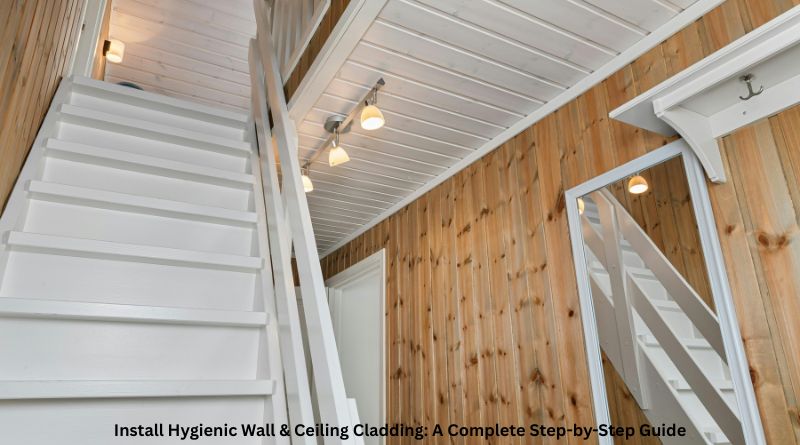
Install Hygienic Wall & Ceiling Cladding is one of the most effective ways to create a clean, durable, and compliant environment. Whether for a commercial kitchen, healthcare setting, or washroom, combining wall panels with ceiling systems ensures a fully sealed space that is easy to maintain and resistant to moisture and contamination.
This guide outlines the key steps to successfully install both wall and ceiling cladding as a complete system.
What You’ll Need Before You Start
Before beginning installation, gather all required materials and tools. This typically includes:
- PVC wall cladding sheets and ceiling planks
- Trims and profiles (internal, external, H-sections, edge trims)
- Ceiling coving for wall-to-ceiling joints
- Adhesive (MS polymer or two-part PU)
- Silicone sealant
- Screws or fixings (for ceiling battens if required)
- Tape measure, spirit level, saw, and sealant gun
Having everything ready ensures a smooth and efficient installation process.
Step 1: Prepare Walls and Ceiling Surfaces
Proper preparation is essential. Surfaces should be clean, dry, and free from dust, grease, or loose materials. Any uneven areas should be levelled to ensure panels sit flat.
For ceilings, you may need to install timber battens or a framework if fixing directly to joists is not possible. This provides a secure base for the ceiling planks.
Step 2: Plan the Layout
Measure both wall and ceiling areas carefully and plan your layout. Decide where panels will start and finish, and consider the positioning of joins, trims, and fixtures such as lights or vents.
Planning ahead helps minimise waste and ensures a neat, professional finish.
Step 3: Install Ceiling Cladding First
It is generally recommended to install the ceiling before the walls.
Cut the ceiling planks to size and fix them to joists or battens using screws through the tongue or hidden fixings. Each plank should slot into the next using a tongue-and-groove system.
For larger ceilings, use joining trims or H-sections to connect runs. Ensure each plank is aligned and secure before moving on.
Step 4: Fit Ceiling Coving
Once the ceiling is installed, fit coving around the perimeter where the walls meet the ceiling. Coving creates a smooth, curved transition, eliminating sharp corners where dirt and bacteria could accumulate.
Fix the coving using adhesive and ensure it is securely positioned before proceeding.
Step 5: Cut and Prepare Wall Panels
Measure and cut wall panels to size, allowing for fixtures, sockets, and corners. Use a fine-tooth saw or jigsaw to achieve clean cuts.
Dry-fit panels where necessary to ensure accuracy before applying adhesive.
Step 6: Apply Adhesive to Wall Panels
Apply adhesive to the back of each panel in evenly spaced beads or as recommended by the manufacturer. This ensures a strong and secure bond.
For larger panels, ensure sufficient coverage to prevent weak spots or gaps.
Step 7: Fix Wall Panels in Place
Press each panel firmly onto the wall, starting from one corner and working across. Use a spirit level to ensure panels are straight and aligned.
If using tongue-and-groove panels, slot each panel into the previous one to create a tight, seamless fit.
Step 8: Install Trims and Profiles
Fit internal and external corner trims, as well as joining and edge trims, as you install the panels. These components help create a neat finish and seal joints.
Ensure all trims are correctly aligned and securely fixed to maintain both appearance and hygiene.
Step 9: Seal All Joints with Silicone
Apply silicone sealant to all joints, edges, and transitions, including:
- Wall-to-wall corners
- Wall-to-ceiling coving joints
- Around fixtures and fittings
Smooth the silicone to create a clean, watertight finish. This step is essential for preventing moisture ingress and maintaining hygiene.
Step 10: Final Checks and Cleaning
Inspect the installation for alignment, gaps, or missed areas. Make any adjustments before adhesives and sealants fully cure.
Clean all surfaces to remove marks, dust, or excess sealant, leaving a professional finish.
Tips for Best Results
- Always follow manufacturer guidelines for adhesives and materials
- Work methodically to maintain alignment and consistency
- Ensure adequate curing time before exposing surfaces to moisture
- Use the correct trims and coving for a fully sealed system
A Complete Hygienic Installation
Installing hygienic wall and ceiling cladding as a complete system ensures maximum performance, durability, and cleanliness. By following a structured approach and using the right materials, you can achieve a professional, long-lasting finish.
Whether for a DIY project or a commercial fit-out, a properly installed cladding system provides a clean, compliant environment that is easy to maintain and built to last.