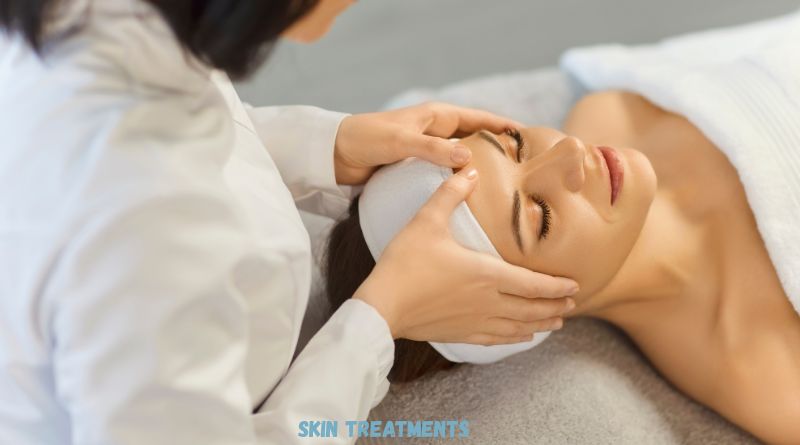
Modern skincare is no longer built around single-solution treatments. As understanding of skin biology improves, there has been a clear shift toward combination technologies that address multiple layers and concerns at the same time.
Rather than treating surface-level issues in isolation, newer approaches focus on how the skin repairs, rebuilds, and responds to controlled stimulation. This is where radio frequency microneedling has become increasingly relevant in both clinical and advanced beauty settings.
Moving From Surface Repair to Structural Regeneration
Traditional treatments such as peels or basic facials primarily work on the outermost layer of the skin. While effective for improving texture and brightness, they do not significantly influence deeper structural components like collagen and elastin networks.
Microneedling introduced a new approach by creating controlled micro-injuries that trigger the skin’s natural healing response. This process encourages collagen production over time, improving texture and firmness gradually.
When radio frequency energy is added to this process, the treatment becomes more targeted. Instead of relying only on mechanical stimulation, it introduces thermal energy into deeper layers, enhancing the skin’s regenerative response.
Why Combining Technologies Matters
One of the key developments in modern aesthetics is the integration of multiple technologies into a single treatment platform. This is not simply about convenience, but about improving how treatments interact with the skin.
For example:
- Microneedling creates pathways and initiates repair
- Radio frequency delivers controlled heat to deeper layers
- Cooling technologies help manage post-treatment response
By combining these elements, treatments can be structured to address firmness, texture, and overall skin quality in a more coordinated way.
This multi-layered approach is becoming more common as practitioners look for methods that align with long-term skin health rather than quick, isolated improvements.
The Role of Controlled Depth and Precision
One of the defining characteristics of advanced microneedling systems is adjustable depth. Skin is not uniform across the face or body, and different concerns require different levels of penetration.
Shallow depths may be used for surface refinement, while deeper settings are applied for concerns such as scarring or stretch marks. The addition of radio frequency allows energy delivery to be more precise, targeting specific layers without affecting surrounding tissue unnecessarily.
This level of control is one of the reasons combination treatments are gaining preference over single-function devices.
Managing Skin Response and Recovery
Another important aspect of modern treatments is how the skin responds immediately after the procedure. Redness, sensitivity, and inflammation are natural parts of the repair process, but managing these responses is essential for client comfort and consistency.
Cooling methods, such as cold hammer technology, are often used post-treatment to:
- Calm the skin
- Reduce visible redness
- Support recovery
This reflects a broader shift in treatment design, where equal importance is given to both stimulation and recovery.
Why These Treatments Are Becoming More Mainstream
Combination treatments like RF microneedling are no longer limited to specialised clinics. As technology becomes more accessible and training more standardised, they are being integrated into a wider range of professional environments.
Their growing popularity is influenced by several factors:
- Demand for non-surgical skin improvement
- Preference for gradual, natural-looking results
- Increased awareness of collagen-focused treatments
- Flexibility in treating multiple skin concerns
For many practitioners, these systems offer a way to expand treatment options without relying on invasive procedures.
Understanding How Advanced Devices Are Structured
Modern devices are designed to support this multi-functional approach, combining different technologies into a single system that can be adapted based on treatment goals.
For those exploring how these systems are configured in practice, this radio frequency microneedling machine overview provides insight into how combined technologies are applied within a single treatment platform.
A More Integrated Approach to Skin Health
The direction of skincare is becoming increasingly clear. Rather than focusing on isolated concerns, treatments are evolving to support the skin as a complete system.
Combination technologies like RF microneedling reflect this shift by addressing multiple layers, processes, and responses within a single approach. The emphasis is no longer on quick results, but on structured, repeatable treatments that align with how the skin naturally repairs and renews itself.
Final Thoughts
As the aesthetics industry continues to evolve, treatments that combine precision, adaptability, and a deeper understanding of skin biology are likely to define the next phase of skincare.
Radio frequency microneedling is part of this movement—not because it replaces existing methods, but because it builds on them, offering a more connected and comprehensive approach to skin regeneration