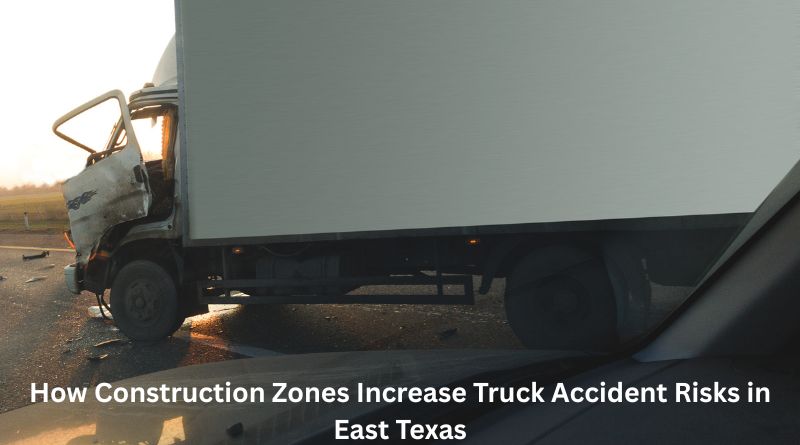
Highway construction is common throughout East Texas as roads are expanded, repaired, and upgraded to support growing traffic and freight movement. While these projects are necessary for improving infrastructure, construction zones can create hazardous conditions—especially when large commercial trucks are involved.
Because tractor-trailers are larger, heavier, and less maneuverable than passenger vehicles, navigating narrow lanes and sudden traffic changes can be more difficult. When accidents occur in these areas, the circumstances are often more complex than typical highway collisions. Individuals seeking guidance after such incidents may benefit from speaking with an experienced East Texas Truck Accident Attorney to better understand how construction-zone crashes are evaluated under Texas law.
Narrowed Lanes and Limited Space
Construction zones often require traffic lanes to be narrowed or shifted. While smaller vehicles may adjust more easily, trucks require significantly more space to operate safely.
In these situations, drivers may encounter:
- Reduced lane widths
- Temporary barriers placed close to traffic
- Limited shoulder space
- Sudden lane merges
For trucks carrying heavy loads, these tighter spaces can make it harder to maintain proper lane position and avoid nearby vehicles.
Sudden Traffic Slowdowns
Construction areas frequently involve abrupt traffic changes. Vehicles traveling at highway speed may suddenly encounter:
- Reduced speed limits
- Traffic backups
- Flaggers directing vehicles
- Temporary stop-and-go conditions
Because trucks need longer distances to stop than passenger cars, sudden slowdowns can increase the risk of rear-end collisions.
Uneven Road Surfaces
During construction projects, roads may temporarily have uneven surfaces or unfinished pavement sections. Drivers might encounter:
- Grooved pavement
- Gravel or loose materials
- Raised or lowered lanes
- Temporary asphalt patches
For trucks, these uneven surfaces can affect traction and handling, particularly when the vehicle is fully loaded.
Distracted Drivers in Work Zones
Construction zones often involve flashing lights, warning signs, and heavy equipment. While these signals are meant to alert drivers, they can also create distractions.
Some drivers may focus on construction activity rather than surrounding traffic. This momentary distraction can be dangerous when large trucks are traveling nearby, especially in congested areas.
Increased Risk for Construction Workers
Construction zones also place workers close to moving traffic. Large trucks traveling through these areas must navigate carefully to avoid putting road crews at risk.
Reduced space, heavy machinery, and ongoing construction activity create an environment where extra caution is necessary for everyone on the road.
Freight Traffic Through East Texas
East Texas serves as an important route for commercial freight moving between major cities and neighboring states. Trucks transporting agricultural products, timber, energy equipment, and consumer goods frequently pass through highway construction zones across the region.
Because freight traffic continues even during roadwork projects, construction areas must accommodate both passenger vehicles and heavy commercial trucks at the same time.
The Importance of Reduced Speeds
Speed limits are typically lowered in construction zones to improve safety. These limits help compensate for narrowed lanes, changing traffic patterns, and the presence of workers.
For trucks, slowing down is especially important because it allows drivers more time to react to sudden changes in traffic conditions.
Final Thoughts
Construction zones are a necessary part of maintaining and improving East Texas roadways, but they can also create challenging driving conditions. Narrow lanes, uneven surfaces, and sudden traffic slowdowns increase the risk of accidents involving large commercial trucks.
By understanding how these environments affect truck operations, drivers can approach construction zones with greater caution. Staying alert, reducing speed, and maintaining safe distances can help improve safety for everyone traveling through East Texas work zones.