Photo editing used to mean layers, masks, and a fair amount of trial and error. You opened a heavy desktop program, zoomed in at 300%, and carefully erased pixels one by one. Even simple adjustments could take twenty minutes. Now the process looks very different.
An AI-powered photo editor doesn’t ask users to understand curves, blending modes, or complex selections. It studies patterns in images and predicts what should stay, what should disappear, and how the final result should look. The shift is less about flashy effects and more about removing friction from everyday tasks.
Smarter Background Removal

Cutting out a subject used to be one of the most frustrating jobs in photo editing. Hair strands, uneven lighting, and similar colors between foreground and background made clean selections difficult.
AI approaches the task differently. Instead of manually tracing edges, the system identifies the subject as a whole. It recognizes people, products, pets, or objects and separates them from the background in seconds. For someone running an online store, this changes the workflow completely. A batch of product photos can be processed quickly, keeping visual consistency without hiring a specialist.
This automation also helps content creators who need quick thumbnails or social media visuals. The result is not just speed. It’s consistency. The edges look natural, shadows can be preserved, and backgrounds can be replaced without obvious cut lines.
Cleaning Up Unwanted Elements
Every photographer has faced small imperfections: a random sign in the background, text on a wall, a distracting object near the subject. Fixing those details manually required cloning and careful blending.
AI-based cleanup tools analyze surrounding pixels and reconstruct missing areas intelligently. Instead of copying one patch over another, the system predicts what should logically appear behind the removed object. That makes retouching feel less mechanical and more intuitive.
For bloggers or small business owners, this means less time fixing minor distractions and more time focusing on storytelling. A clean image communicates better, especially when text overlays or promotional graphics are added later.
Enhancing Low-Quality Photos
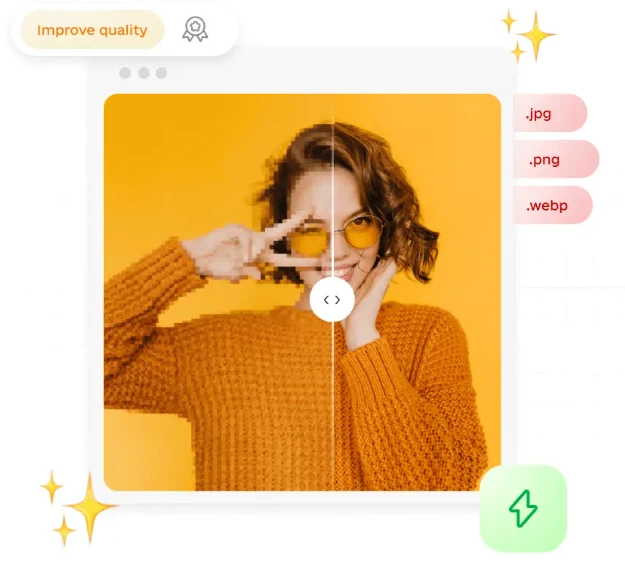
Old photos, compressed images, and low-light shots often look soft or noisy. Traditional sharpening tools tend to exaggerate grain or create halos around edges.
AI enhancement models work differently. They examine large datasets to understand what realistic detail looks like. When improving clarity, they don’t just increase contrast. They reconstruct textures, define edges, and reduce noise selectively.
Consider a small café updating its website. Instead of organizing a new photoshoot, the owner might enhance existing images. Details in the coffee foam, textures of wooden tables, and natural lighting become clearer without looking artificial.
Platforms such as Phototune.ai integrate these AI-driven improvements into a simple online workflow. Users upload an image, choose a task, and receive a refined version within moments. No advanced training required.
Generating Visuals with AI
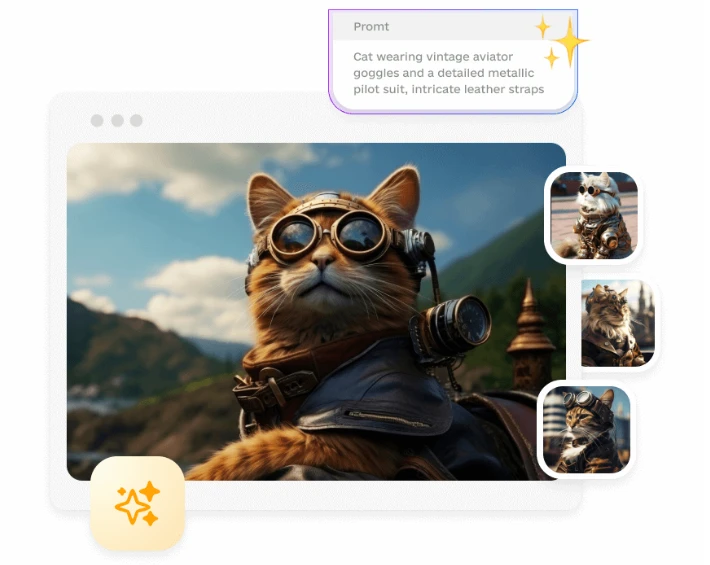
Beyond editing, AI can generate entirely new visuals. This changes how marketers and creators experiment with ideas. Need a conceptual background? A stylized version of a product shot? A variation of an existing image with different lighting?
Instead of building everything from scratch, AI systems interpret prompts and produce visuals aligned with those instructions. The technology doesn’t replace creativity. It expands it. Users can iterate quickly, test variations, and explore directions that would have been too time-consuming before.
This also lowers the barrier for small teams. A startup without a full design department can still maintain a polished visual presence. Quick mockups, improved images, and creative assets become part of daily operations.
A Shift in Workflow
What stands out most is not the technology itself but how editing habits have changed. People no longer treat photo editing as a specialized skill reserved for professionals. It has become part of routine content creation.
Writers adjust blog visuals. Store owners refine product images. Freelancers polish portfolio shots. The tools are web-based, accessible, and increasingly intelligent. The emphasis is on clarity, speed, and practical results rather than technical complexity.
AI does not eliminate human judgment. Users still decide what looks natural and what fits their brand. But the heavy lifting—selection, reconstruction, enhancement—happens in the background.
Photo editing has moved from meticulous pixel control to guided automation. And for many, that shift means more time spent creating ideas rather than fixing details.