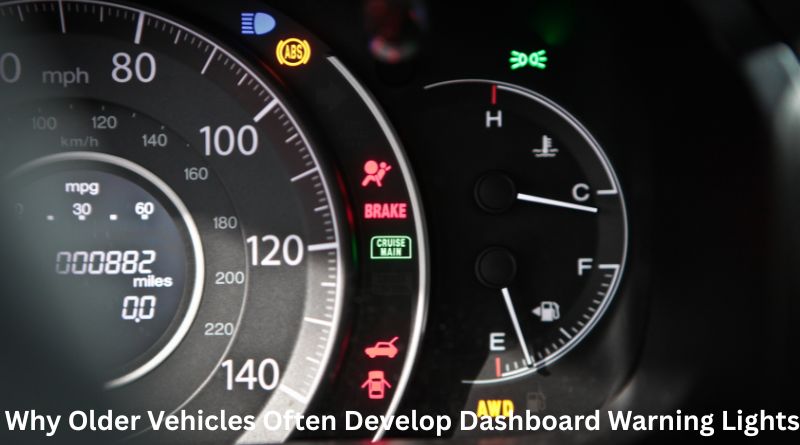
Few things make drivers more anxious than seeing a warning light suddenly appear on the dashboard. In older vehicles, dashboard warning lights become increasingly common because aging mechanical and electrical systems gradually begin falling outside normal operating ranges.
While some warning lights signal relatively minor issues, others may indicate serious problems requiring immediate attention. Understanding why these lights appear more often in aging vehicles helps drivers respond appropriately before small issues become major repairs.
Modern Vehicles Constantly Monitor Themselves
Today’s vehicles rely on onboard computer systems that continuously monitor performance through sensors placed throughout the vehicle.
These systems track areas such as:
- Engine performance
- Emissions systems
- Transmission operation
- Braking systems
- Electrical systems
- Fuel delivery
When sensors detect readings outside expected ranges, the computer activates dashboard warning lights to alert the driver.
As vehicles age, the likelihood of irregular readings naturally increases.
Sensors Wear Out Over Time
Modern vehicles contain dozens of sensors operating under difficult conditions involving:
- Heat
- Vibration
- Moisture
- Dirt
- Pressure changes
Over time, sensors may gradually weaken or fail entirely.
Common sensor-related problems include:
- Oxygen sensor failures
- Tire pressure sensor malfunctions
- Temperature sensor inaccuracies
- Speed sensor problems
Even if the vehicle still appears to drive normally, failing sensors may trigger warning lights because the computer detects inconsistent data.
Electrical Problems Become More Common in Older Vehicles
Aging electrical systems are another major reason warning lights appear more frequently.
Older vehicles often develop issues involving:
- Corroded wiring
- Weak battery voltage
- Loose electrical connections
- Failing alternators
- Damaged grounding points
Electrical irregularities may confuse onboard computers and create intermittent warning lights that appear unpredictably.
Because electrical problems are sometimes difficult to diagnose, warning lights may come and go repeatedly before the root cause is identified.
Emissions Systems Are Especially Sensitive
Modern emissions systems are carefully designed to reduce pollution and maintain fuel efficiency.
As vehicles age, emissions-related components may begin deteriorating, including:
- Catalytic converters
- Oxygen sensors
- EVAP systems
- Fuel vapor controls
Even relatively small emissions issues may trigger the check engine light.
Older vehicles are especially vulnerable because emissions systems rely on numerous sensors and sealed components working together precisely.
Warning Lights Sometimes Indicate Maintenance Issues
Not every dashboard warning light signals catastrophic failure.
Some lights may appear because of routine maintenance-related issues such as:
- Loose fuel caps
- Low tire pressure
- Old engine oil
- Worn brake pads
- Low fluid levels
However, ignoring these smaller warnings may eventually contribute to larger mechanical problems later.
Routine inspections help prevent minor issues from escalating unnecessarily.
Intermittent Warning Lights Can Be Frustrating
One of the most difficult aspects of older vehicle ownership is dealing with warning lights that appear inconsistently.
Drivers may experience situations where:
- The check engine light turns on temporarily
- Warning lights disappear after restarting the car
- Multiple lights appear at once
- Electrical glitches trigger random alerts
Because symptoms are not always constant, diagnosis can become time-consuming and expensive.
Intermittent electrical and sensor issues are especially common in aging high-mileage vehicles.
Transmission and Engine Wear Trigger More Alerts
As engines and transmissions wear down over time, vehicle computers may begin detecting:
- Misfires
- Shifting irregularities
- Fuel mixture problems
- Performance inconsistencies
These conditions often activate warning lights even before drivers notice major performance changes.
In many cases, dashboard warnings provide early indicators that mechanical wear is beginning to affect overall vehicle reliability.
Older Vehicles Commonly Develop Multiple System Issues Together
As vehicles age, several systems may begin deteriorating simultaneously.
An older vehicle displaying dashboard warning lights may also experience:
- Electrical instability
- Sensor failures
- Fuel system problems
- Transmission wear
- Emissions system deterioration
When multiple warning lights begin appearing together, repair complexity and costs can increase quickly.
This becomes especially challenging for high-mileage vehicles already dealing with suspension wear, rust, or engine leaks.
Why Some Drivers Ignore Warning Lights
Many older vehicles continue operating despite illuminated warning lights, causing some owners to delay inspections.
Drivers may postpone repairs because:
- The car still feels drivable
- Warning lights disappear temporarily
- Repairs seem expensive
- Symptoms appear minor initially
However, ignoring warning lights for long periods may allow hidden mechanical or electrical problems to worsen significantly.
At some point, ongoing repairs may become financially difficult to justify relative to the vehicle’s remaining value.
This is one reason some owners eventually explore alternatives such as Cash For Junk Cars once repeated warning lights and repair costs begin affecting long-term reliability and practicality.
Preventative Maintenance Helps Reduce Warning Light Problems
Routine maintenance greatly reduces the likelihood of recurring dashboard alerts.
Helpful preventative practices include:
- Addressing warning lights early
- Maintaining proper fluid levels
- Inspecting batteries and charging systems
- Replacing worn sensors promptly
- Following scheduled maintenance intervals
Early attention often prevents smaller electronic or mechanical issues from becoming larger repair problems later.
Final Thoughts
Older vehicles commonly develop dashboard warning light problems because aging sensors, electrical systems, emissions components, and mechanical systems gradually become less reliable over time.
Understanding why these warning lights appear helps drivers recognize early warning signs and maintain safer, more dependable vehicle performance over the long term.