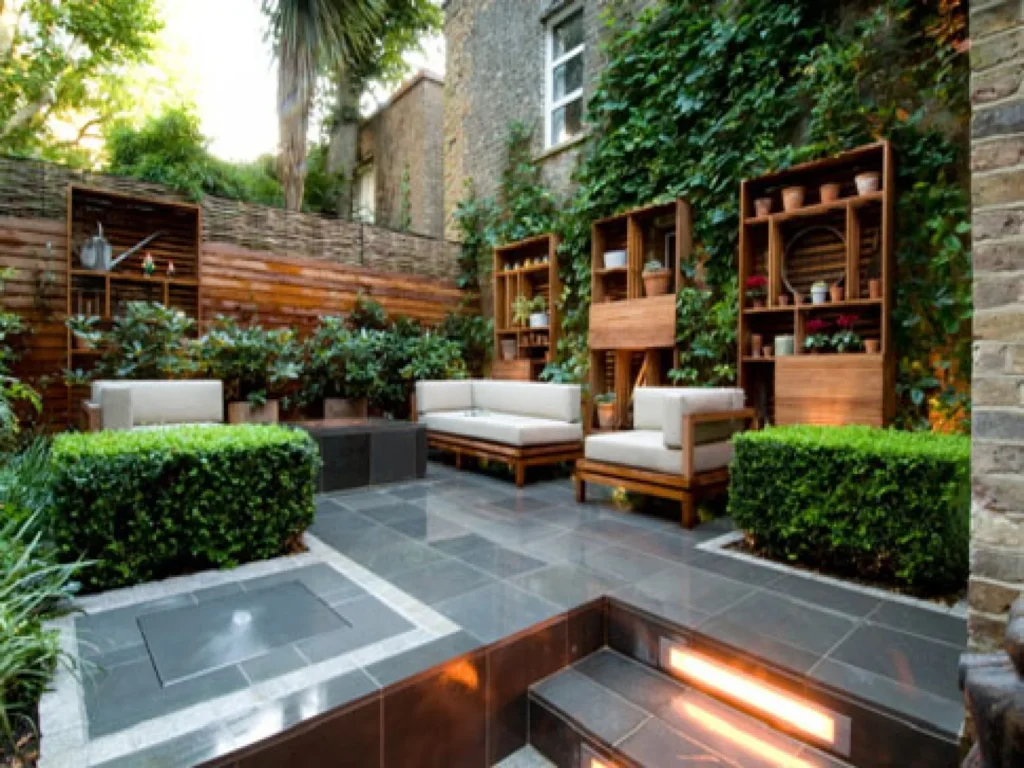
There is something deeply satisfying about stepping outside your back door and into a space that truly feels like an extension of your home. For many homeowners across Britain, the garden has long been treated as an afterthought — a patch of lawn to mow on weekends and little more. Yet with a considered approach to design, planting, and structure, even a modest outdoor area can become one of the most cherished parts of your property. Whether you dream of a sunlit corner for morning coffee, a sheltered spot for entertaining guests, or a peaceful retreat from the demands of daily life, the right combination of landscaping and garden buildings can make it all possible. Increasingly, homeowners are turning to companies like Woodera to help them achieve this vision, investing in quality structures that bring both beauty and lasting functionality to the outdoor space.
Planning Your Outdoor Living Space With Purpose
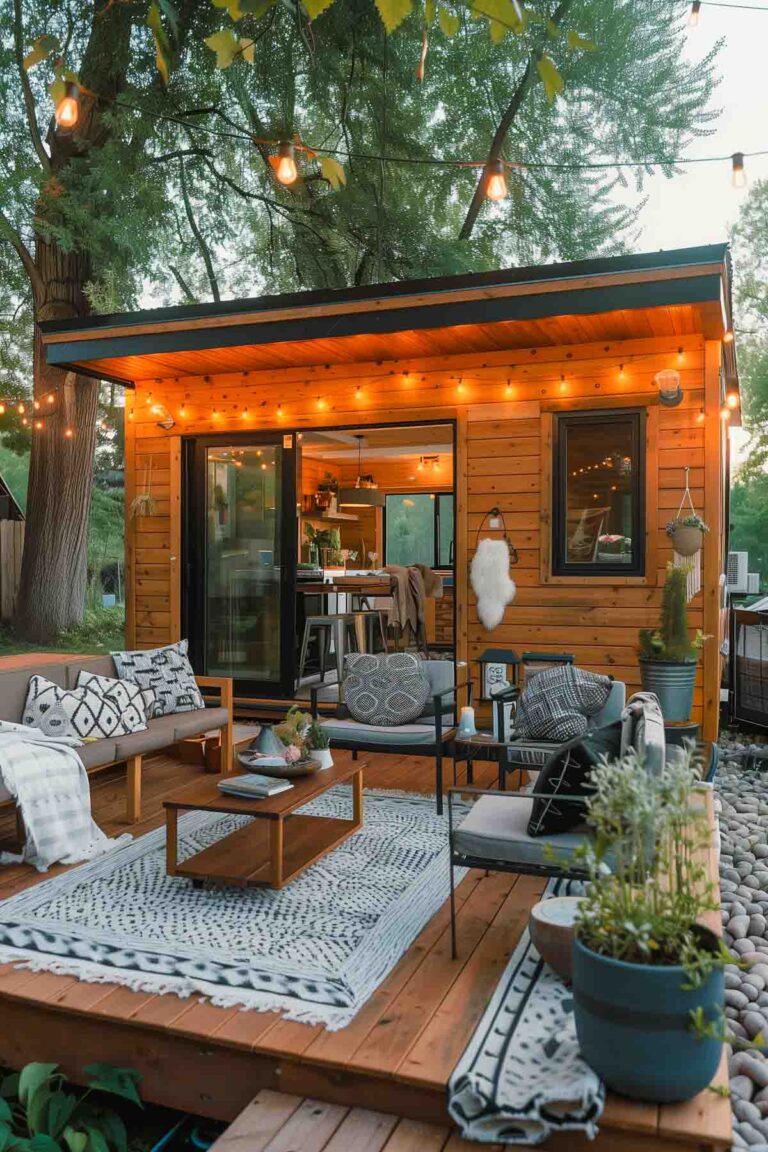
Before purchasing a single plant or piece of furniture, it is worth spending time thinking carefully about how you actually want to use your garden. This planning stage is often overlooked, but it is arguably the most important step in the entire process. Consider how many people will regularly use the space, whether you need room for children to play, whether you entertain frequently, and how much time you are genuinely willing to dedicate to maintenance. Gardens that are designed around a realistic lifestyle tend to be far more successful in the long run than those built around an idealised version of outdoor living. A clear sense of purpose will guide every decision that follows, from the layout of pathways and seating areas to the choice of planting and permanent structures.
It is also essential to assess your garden’s existing conditions before you begin. Observe how the light moves across the space throughout the day. Take note of which areas are sheltered and which are exposed to wind. Consider the soil type and drainage, as these will affect both what you can plant and how certain structures sit on the ground. If your garden slopes significantly, you may need to think about terracing or retaining walls. All of these factors should inform your overall design, helping you to create a space that works harmoniously with its natural environment rather than fighting against it.
Zoning Your Garden for Different Activities
One of the most effective design principles for outdoor living is the idea of zoning — dividing your garden into distinct areas that each serve a specific purpose. This approach is particularly useful in gardens of all sizes, as it creates a sense of structure and flow without making the space feel cluttered or chaotic. A dining zone near the kitchen door makes practical sense for easy access when entertaining. A quieter reading nook tucked away at the far end of the garden offers a genuine escape from household noise. A children’s play area on a patch of lawn keeps younger family members occupied whilst adults relax nearby. By thinking about your garden as a series of connected outdoor rooms, you can maximise every square metre and ensure that different members of the household all have a space they can call their own.
The Enduring Appeal of Wooden Garden Houses
Few additions transform a garden as dramatically and as permanently as a well-designed garden building. Wooden garden houses have experienced a significant surge in popularity over the past decade, and it is easy to understand why. They offer a level of warmth, character, and natural beauty that no metal or plastic structure can replicate. Timber is a material that ages gracefully, developing a rich patina over time that makes it feel as though it has always belonged in the garden. Whether you opt for a traditional chalet-style design, a contemporary garden room with large glazed panels, or a rustic log cabin aesthetic, wooden garden houses bring an undeniable charm that enhances the overall look and feel of any outdoor space.
Beyond aesthetics, there are highly practical reasons to invest in a garden building. A well-insulated structure can be used comfortably for much of the year, even in the unpredictable British climate. Many homeowners use their garden buildings as home offices — a trend that accelerated considerably in recent years as remote working became more commonplace. Others convert them into hobby rooms, garden studios, teenage dens, or guest accommodation. The versatility of wooden garden houses means that your investment can evolve alongside your family’s changing needs, making them one of the most cost-effective ways to add usable space to your property without the considerable disruption and expense of a traditional home extension.
Choosing the Right Design and Specification
When selecting a wooden garden house, the quality of the timber and construction methods used should be at the forefront of your decision. Pressure-treated or thermally modified wood will resist rot, insect damage, and the effects of moisture far more effectively than untreated alternatives, significantly extending the lifespan of your building. The thickness of the wall cladding also matters considerably — thicker boards provide better insulation and a more substantial, premium feel. Look for suppliers and manufacturers who are transparent about their materials, offer solid guarantees, and have a proven track record of quality craftsmanship. Companies such as Woodera have built their reputation on precisely these principles, providing customers with garden buildings that combine thoughtful design with robust, long-lasting construction.
Think carefully about the size and positioning of your garden building before committing to a design. It should be proportionate to your garden — neither so large that it dominates the space nor so small that it fails to serve its intended purpose. Consider how it will relate to the rest of your garden layout, the direction it faces, and whether it will benefit from being positioned close to existing planting or pathways. Planning permission is not usually required for smaller garden buildings, but it is always worth checking with your local authority before proceeding, particularly if your property is in a conservation area or you share boundaries with neighbours.
Landscaping to Create Flow and Atmosphere
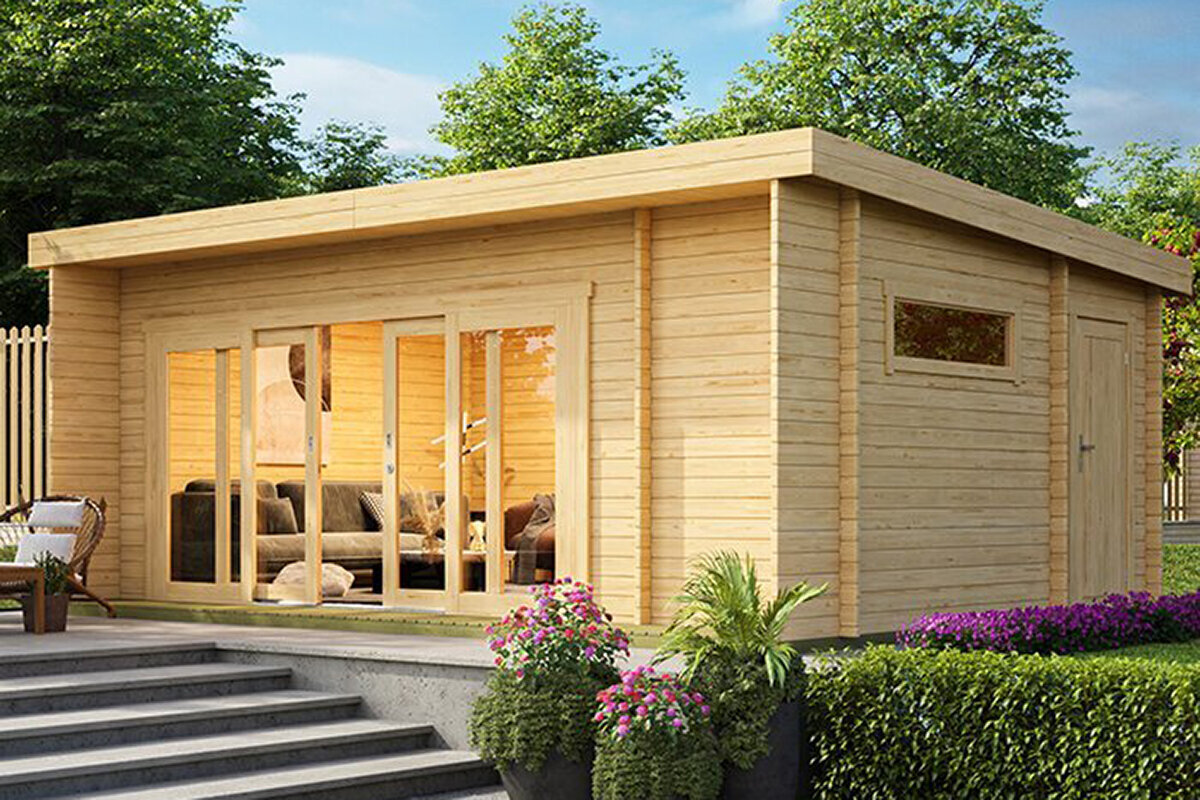
A garden building alone, however beautiful, does not create an outdoor living space. It is the landscaping surrounding it — the planting, the surfaces, the lighting, and the carefully chosen accessories — that truly brings the space to life. Start by thinking about how people will move through your garden. Clear, well-defined pathways made from natural stone, gravel, or brick create a sense of direction and make the garden feel purposeful and inviting. If your wooden garden houses are positioned at the far end of the garden, a well-laid path leading directly to them gives the journey a ceremonial quality, building a sense of anticipation and arrival.
Planting is perhaps the single most powerful tool available to the garden designer. Soft, billowing grasses and flowering perennials planted around the base of a garden building help to anchor it visually within the landscape, making it look as though it has grown there naturally. Climbing plants such as roses, clematis, or wisteria trained up the exterior walls of wooden garden houses add extraordinary beauty and fragrance whilst also providing a degree of natural insulation. Hedging can be used strategically to create privacy screens and windbreaks, transforming an overlooked corner into a genuinely secluded retreat. Even in a small garden, a few well-chosen plants positioned thoughtfully can make a significant difference to the atmosphere of the space.
Lighting, Furniture, and the Finishing Touches
Good outdoor lighting extends the usability of your garden well into the evening and creates a magical atmosphere that transforms the space after dark. Solar-powered pathway lights, low-voltage LED spotlights trained on specimen plants, and warm festoon lights strung between a garden building and a pergola or tree are all highly effective and relatively straightforward to install. Avoid harsh overhead lighting, which tends to flatten the garden and create an unappealing, functional feel. Instead, layer your lighting at different heights to create depth and warmth, using it to highlight the best features of your outdoor space whilst keeping unwanted areas in shadow.
When it comes to outdoor furniture, invest in quality pieces that are designed to withstand the elements without constant maintenance. Teak, FSC-certified hardwoods, and powder-coated aluminium are all excellent choices for the British climate. Style your seating areas with all-weather cushions in natural, muted tones that complement the colours of the garden rather than competing with them. A simple outdoor rug, a few terracotta pots filled with seasonal planting, and a well-positioned fire pit or chiminea can complete the picture beautifully, creating a space that is as welcoming on a cool autumn evening as it is on a warm summer afternoon.
Making Your Garden Work Throughout the Year
One of the greatest challenges of outdoor living in Britain is the weather, which can be gloriously unpredictable at the best of times. The key to making your garden truly functional throughout the year is to build in shelter and warmth wherever possible. A pergola or sail shade over your main seating area provides protection from summer sun and light rain, extending the number of days you can comfortably sit outside. Wooden garden houses, particularly those with good insulation and double-glazed windows, offer the ultimate solution — a space that is genuinely comfortable regardless of what the weather is doing outside. Brands like Woodera understand this challenge intimately and design their buildings with year-round liveability in mind, incorporating features such as underfloor insulation, draught-proof doors, and options for heating and electrics that make the space truly habitable in all seasons.
Finally, it is worth remembering that the best outdoor living spaces are those that are maintained with care and attention over time. A garden is never truly finished — it evolves with the seasons and with you. Regular upkeep of your wooden garden houses, including periodic re-staining or oiling of the timber, will keep them looking beautiful and performing well for many years. Seasonal planting updates, occasional furniture refreshes, and a willingness to adapt the layout as your needs change will ensure that your garden continues to bring joy and relaxation for decades to come. With the right foundations in place — quality structures, thoughtful landscaping, and attention to detail — your outdoor space can become one of the most valuable and cherished parts of your home.